Launching an influencer campaign in Europe can feel exciting, but without proper preparation, it can quickly become overwhelming. The European market is culturally diverse and legally complex. Brands that don’t take the time to understand how influencer marketing works across European countries often end up wasting their time and money.
This guide outlines what your brand needs to know before you go live with an influencer campaign, from choosing the right creators to avoiding compliance headaches and ensuring content resonates.

Europe Is Not One Market
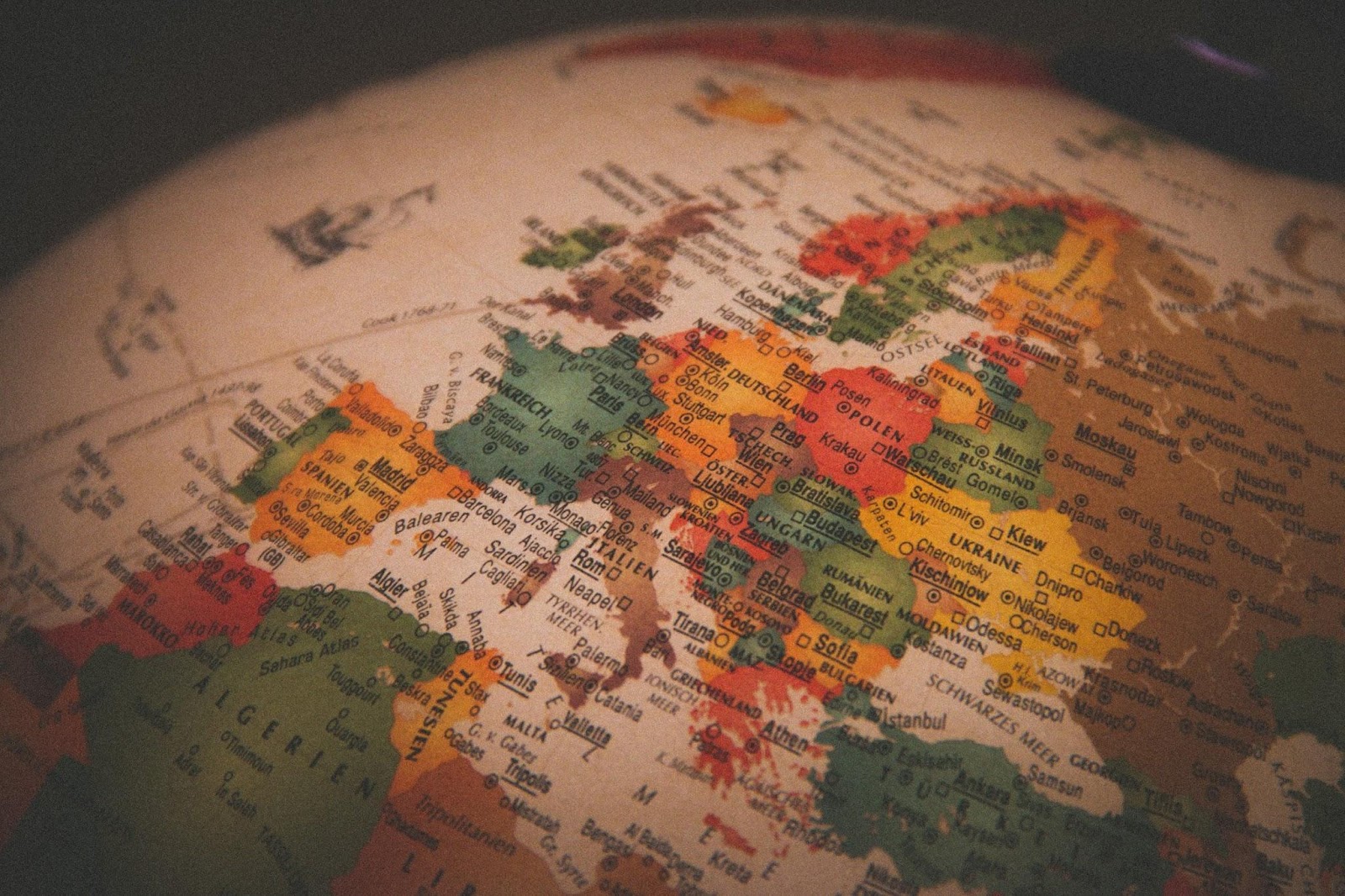
The first thing brands need to understand is that Europe is not a single audience. Every country, and often every region within it, has its own culture, platform preferences, humor, and buying behavior. That means what works in one country might completely fall flat in another.
If your brand is targeting multiple European countries, you need to approach each with a localized influencer marketing strategy. That includes understanding local slang, visual aesthetics, and social norms. Your campaign won’t feel native if the content doesn’t reflect the audience’s reality. Consumers across Europe can spot generic content a mile away, and it hurts trust more than it helps brand exposure.
Creators are closer to their audiences than any brand will ever be. Respecting their regional knowledge will result in more authentic content and stronger engagement.
European Laws Are Not Optional
Many brands entering the European market overlook how strict local laws are when it comes to data and advertising. You can’t just launch a campaign and hope for the best. You need to make sure that your influencers are following sponsored content disclosure rules and that any personal data collected complies with GDPR regulations.
Disclosure isn’t optional in Europe. Even a free product must be marked as a partnership in many countries. Make sure to read and understand European consumer law and influencer marketing before starting to work with European brands and influencers in order to avoid any legal trouble. These rules differ slightly between regions, but the expectation is always clear, transparency matters. Failing to disclose can not only damage your brand’s credibility but can also lead to serious legal consequences.
Creators Need to Fit, Not Just Look Good
It’s easy to get caught up in follower counts and polished feeds. But the real power of influencer marketing in Europe comes from finding creators whose voice, values, and community align with your brand. That’s why it’s essential to prioritize audience alignment over aesthetics.
The most effective influencers aren’t always the biggest ones. In many European markets, micro-influencers with highly engaged communities drive more meaningful results than mega-celebrities and also brands prefer to work with small influencers rather than expensive celebrities. So it’s a win-win situation. Their audiences are often tighter-knit and more responsive, especially in niche verticals like wellness, parenting, or sustainable fashion.
Choosing the right creator means focusing on engagement rate and content relevance, not just appearances. Brands that take the time to evaluate creators based on quality instead of clout are the ones that build stronger campaigns.
A Campaign Is Not Just a Post
Influencer marketing should never be treated like a single transaction. Brands that jump into campaigns without a clear plan often struggle to get the results they expected. Success starts with a strategy. That means defining goals, understanding what success looks like, and aligning everyone involved including your creators.
A good influencer campaign in Europe involves more than just a pretty post. It requires long-term content planning, thoughtful communication, and trust between the brand and creator. Creators aren’t just content machines, they’re partners. And when treated like one, they produce content that converts and builds brand equity.
Creative control is a key part of this. Instead of dictating every word or frame, let influencers shape the message in their voice. This doesn’t mean giving up control, it means setting boundaries and then allowing creative freedom within them. That’s how you get content that’s natural and resonates.

Conclusion
Launching an influencer campaign in Europe requires more than just product and budget. You need to understand your audience’s culture, stay compliant with the law, choose creators who actually influence, and build a strategy that goes beyond one-off content.
Whether you’re just starting or ready to scale, remember: European audiences are savvy, and value relevance over reach. Treat your campaign with the same thoughtfulness you give to product development, and the results will follow.
Looking to create influencer campaigns that work across Europe? Visit cable.so for strategies that deliver impact not just impressions.
Discover more from Cable Blog
Subscribe to get the latest posts sent to your email.